
Cabinet Painting Ideas: What Are the Best Ways to Refresh Your Cabinets?

Cabinet Painting

Have you ever walked into your kitchen or bathroom and felt like something was missing, even though everything was clean and organized? Sometimes the biggest difference comes from updating the cabinets instead of replacing them. A fresh coat of paint can completely transform the appearance of a space while giving it a brighter, cleaner, and more modern feel. Whether you want a timeless style or a bold new look, cabinet painting offers countless opportunities to express your personal taste without making major changes to the room.

Cabinets are often one of the first things people notice when entering a kitchen, laundry room, or bathroom. Because they take up so much visual space, changing their color can instantly refresh the entire area. The right paint color, finish, and design approach can make even older cabinets feel stylish and inviting. Exploring different Cabinet Painting Sacramento ideas is a great way to find inspiration and create a space that feels both beautiful and functional.

Why Cabinet Painting Is a Smart Home Upgrade

Cabinet painting is one of the most effective ways to improve the appearance of your home without changing the existing cabinet structure. Instead of replacing perfectly functional cabinets, painting allows you to update their look while preserving what already works. This approach helps create a fresh atmosphere while giving you the freedom to experiment with different colors and finishes. Many homeowners appreciate how painting can make an older room feel new again with relatively simple improvements. The transformation is often dramatic enough to make the entire space look renovated.

Another advantage of cabinet painting is the flexibility it offers for changing design trends. As styles evolve, repainting cabinets is much easier than installing brand new ones. Homeowners can choose timeless shades that remain attractive for years or select trendy colors that reflect their personality. With proper preparation and quality materials, painted cabinets can maintain their beauty through everyday use. A carefully planned cabinet painting project can provide lasting visual appeal while increasing enjoyment of the space.

Choosing Colors That Match Your Style

Selecting the right cabinet color is one of the most exciting parts of the painting process. White remains a popular option because it creates a clean, bright appearance that works well with many decorating styles. Soft gray provides a modern yet comfortable feeling, while warm beige offers a welcoming atmosphere. For those looking to make a stronger statement, deep blue, forest green, or charcoal can add character and elegance. The best choice often depends on the amount of natural light and the overall design of the room.

Neutral colors continue to be a favorite because they blend easily with changing decorations and accessories. However, bold colors are becoming increasingly popular for homeowners who want their cabinets to become a focal point. A rich color paired with simple hardware can create an eye catching design without overwhelming the room. Testing paint samples before making a final decision helps ensure the chosen shade looks appealing under different lighting conditions. Careful color selection creates a balanced space that feels comfortable every day.

Creative Cabinet Painting Ideas for a Fresh Look

One popular cabinet painting idea is using two different colors for upper and lower cabinets. Lighter shades on the upper cabinets help make the room feel more open, while darker colors below add depth and visual interest. This balanced contrast creates a stylish appearance without making the design feel too busy. The combination also allows homeowners to introduce color while maintaining a bright overall look. It is an excellent choice for both traditional and modern spaces.

Another creative option is adding painted accents inside glass cabinet doors or on open shelving. This subtle touch introduces color in unexpected places and creates additional visual depth. Some homeowners also choose to paint an island in a contrasting color while keeping the surrounding cabinets neutral. This approach naturally draws attention to the center of the room while maintaining harmony throughout the design. Small creative details can make cabinet painting projects feel unique and personalized without requiring major renovations.

Preparing Cabinets for a Long Lasting Finish

Proper preparation is essential for achieving professional looking painted cabinets. Every surface should be cleaned thoroughly to remove grease, dust, and cooking residue that can prevent paint from adhering properly. Removing cabinet doors, drawers, and hardware allows for more even coverage and cleaner edges. Light sanding helps smooth imperfections while creating a surface that supports strong paint adhesion. Taking time during preparation often leads to better results and a longer lasting finish.

Using a quality primer is another important step that should not be overlooked. Primer helps cover previous colors while creating a consistent foundation for the new paint. It also improves durability and reduces the likelihood of peeling or chipping over time. Allowing each coat to dry completely before applying the next one contributes to a smoother appearance. Patience throughout the preparation and painting process usually produces cabinets that remain attractive for many years.

Selecting the Right Finish for Everyday Use

The finish you choose has a significant impact on both the appearance and durability of painted cabinets. Satin finishes remain a popular choice because they provide a soft sheen while hiding minor imperfections. Semi gloss finishes offer greater moisture resistance and are easier to clean, making them ideal for kitchens and bathrooms. Gloss finishes create a more dramatic appearance but may highlight surface imperfections if preparation is not thorough. Understanding the differences between finishes helps homeowners make informed decisions.

Durability becomes especially important in areas that experience frequent use. Cabinets are opened and closed many times each day, so the finish should withstand regular contact without showing excessive wear. Choosing products specifically designed for cabinetry can improve resistance to scratches and stains. Routine cleaning with gentle products also helps preserve the finish over time. Combining the right paint with proper maintenance keeps cabinets looking fresh long after the project is complete.

Simple Design Details That Make Cabinets Stand Out

Cabinet painting alone creates a noticeable transformation, but small design details can make the final result even more impressive. Replacing outdated handles and knobs with modern hardware complements freshly painted cabinets and gives the room a polished appearance. Hardware finishes such as matte black, brushed nickel, or warm metallic tones can enhance different cabinet colors. These simple updates often have a surprisingly large visual impact. Coordinating hardware with lighting fixtures creates a more unified design throughout the room.

Lighting also plays an important role in showcasing painted cabinets. Under cabinet lighting highlights the new color while improving visibility for daily tasks. Decorative accessories placed thoughtfully on countertops or open shelves can further enhance the updated design without creating clutter. Maintaining a balanced combination of color, texture, and lighting helps create a welcoming atmosphere. These finishing touches allow cabinet painting ideas to reach their full potential while reflecting the homeowner’s personal style.

Final Thoughts

Cabinet painting ideas offer endless possibilities for transforming kitchens, bathrooms, laundry rooms, and other living spaces. Whether you prefer timeless neutral colors, bold statement shades, or creative two tone designs, painting cabinets can dramatically improve the appearance of a room without replacing existing cabinetry. Careful preparation, thoughtful color selection, and the right finish all contribute to beautiful and long lasting results. Adding updated hardware and subtle decorative details completes the transformation while enhancing the overall design. With the right approach, cabinet painting remains one of the most rewarding ways to refresh your home and create a space that feels stylish, comfortable, and uniquely your own.
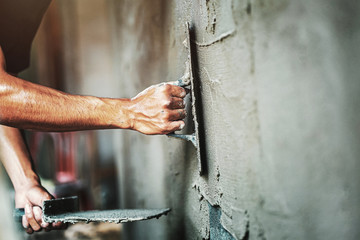
The Latest Trends in Concrete Construction You Shouldn’t Miss

While other building materials boast their own unique sets of benefits, concrete remains a popular choice among builders. Its superior strength, durability, and resistance to environmental exposure makes it a reliable construction material.

From textured finishes that mimic the look of natural stone to carbon capture methods, innovative commercial concrete trends are transforming design and reshaping construction. Visit https://www.gkconstructionsolutions.com/ to explore how these transformative shifts can help you achieve eco-conscious design.

1. Recycled Aggregates

Concrete Construction

We’re all familiar with recycling plastics, paper, and organic waste, but the concrete construction industry is pushing to go even further. Recycled aggregates are now a common construction material that provides both sustainability and enhanced performance.

Recycled aggregates (RCA) are created through the crushing and processing of demolished concrete structures, transforming what was once trash into a useful construction material. This type of recycled material has a higher strength rating than traditional raw materials, such as sand and gravel. The use of RCA can also help reduce costs by decreasing the need to mine new materials from our finite natural resources and eliminate landfill disposal fees.

In addition to reducing our dependence on finite resources, utilizing RCA helps cut carbon emissions. This is because less energy is required to mine and transport these materials. Moreover, RCA is usually sourced from nearby projects, allowing contractors to save on transportation costs and fuel consumption.

The increased use of RCA in concrete construction is helping to meet rising environmental standards and regulations. As a result, building codes are evolving to incorporate the latest innovations in concrete technology. Staying current with these changes is essential to ensuring that your project meets modern safety, performance, and sustainability standards.

Environmental considerations are driving design choices more than ever. From permeable precast driveways that allow rainwater to pass through, to large paver walkways that create a seamless aesthetic from sidewalk to patio, there are more options than ever for the eco-conscious contractor. By staying informed and embracing these advancements, the future of concrete construction looks bright. And by using these innovative technologies in the right way, it can also be more cost-efficient and durable than ever.

2. Carbon Capture and Utilization

Concrete is the most produced and consumed construction material worldwide. Its high carbon footprint makes it a target for innovation as the world moves towards sustainability. The good news is that there are a variety of new materials, mix designs and additives available that prioritize sustainability without sacrificing durability or strength.

Several North American companies are developing technologies that capture and utilize CO2 during concrete production to create carbonated concrete (CC). These include Blue Planet, CarbonCure, Cementicom, SUICOM, Paebbl, and Solidia Technologies. Their technologies have significant potential to address carbon emissions during the production of cement and concrete, while also aligning with scalability and market demands.

One method of carbon capture in concrete is through mineral carbonation. This is achieved by injecting previously captured CO2 into fresh concrete during mixing. The CO2 is then chemically reduced to form nano-sized calcium carbonate particles, which are then incorporated into the concrete mixture. This results in a carbonated concrete product with similar properties as regular concrete.

Another method is through substitution of traditional Portland cement with waste byproducts and recycled materials. Using these alternative cementitious materials can reduce the amount of CO2 released during manufacturing and increase the lifespan of the concrete structure.

Other sustainability advancements in concrete construction include the use of electric mixers that eliminate the need for gas engines and hoses. These machines allow for more precise mixing and control and minimize on-site waste by utilizing only the necessary amount of materials. The use of prefabricated structures also cuts down on construction time and allows for faster project completion. Finally, continued development on electrifying jobsite equipment mitigates trip hazards associated with cords and hoses and eliminates the need for maintenance, engine repair and gas storage.

3. 3D Printing

Every year at the World of Concrete, there is a palpable feeling that this age-old industry is advancing. On the exposition floor, you are surrounded by the latest mobile pumps and batching silos along with world-class technology companies with specialized products for concreting.

3D printing is a new concrete construction technique that uses a robotic process to layer-by-layer extrude concrete into precise and scalable building solutions. This method eliminates the need for formwork and allows engineers to design intricate structures with maximum geometric flexibility and artistic freedom.

The resulting structures can be printed on-site or off-site and prefabricated to reduce cost, labor, and material waste. This off-site construction method enables buildings, bridges, and infrastructure to be designed and built in a location different from the installation site. This is especially important for complex, high-rise projects where it is difficult to have the necessary number of skilled workers.

In addition, 3D concrete printing can also eliminate many of the limitations that designers have always had to work around in traditional construction. By optimizing concrete components for force flow or building physics, this technology can create non-standard construction solutions that would be impossible to build using conventional methods.

Lastly, self-healing concrete is another innovative concrete construction trend that utilizes smart materials to improve the efficiency and durability of concrete. Specialized bacteria incorporated into the concrete produce limestone that naturally seals cracks, decreasing maintenance costs and improving the structural integrity of the structure. This trend is particularly useful for high-rise structures and bridges where temperature fluctuations and environmental factors can cause structural damage. This smart concrete is also more durable and can withstand chemical attacks and freeze-thaw cycles, prolonging the lifespan of structures.

4. Artificial Intelligence

Artificial intelligence is a technology that gives software or machines the ability to think and act like humans. In concrete construction, AI is being used to improve quality, reduce waste and labor, increase efficiency, and even help with project planning.

For example, contractors can use AI software to compare poured concrete work to design and identify layout or sequencing errors, missing elements, uneven pours, or other problems in real time. This helps them to save on material costs, reduce labor, and make more accurate bids.

Another way that AI is being used in concrete construction is through vision-based algorithms such as Computer Vision (CV). CV allows a machine to interpret visual data, such as images and videos, and makes decisions based on it. In concrete construction, this has been used for analyzing and evaluating concrete structures, predicting their fresh45 and hardened46 properties, automated inspection47, and developing new materials48.

A growing trend in concrete construction is off-site fabrication, which is the designing, manufacturing, and assembly of components at a location that is different from the actual installation site. This method of construction is gaining traction in the industry due to its benefits, including cost reduction, increased safety, reduced environmental impact, and faster construction.

Off-site construction can also be used for precast concrete, which is a type of concrete that is built offsite, such as in a plant, then transported and installed at the installation site. This technology can be used in high-rise buildings and other critical infrastructure projects as it offers a higher strength, more durability, and lower maintenance costs compared to traditional concrete. It is a more sustainable option, as it requires less energy to produce and transport.

5. Drones

Once considered a novelty, drones are now an essential tool on jobsites across the construction industry. From creating digital twins of a job site to streamlining workflows and improving safety, UAVs are unlocking powerful new ways for construction professionals to manage projects in real time.

Drones can be used to survey worksite locations without exposing workers to hazards, such as heavy equipment, trenches or traffic moving around large job sites. Using advanced mapping software, these devices can quickly assemble images of a worksite into a three-dimensional map that provides rich data to support project needs, such as calculating stockpile inventories, monitoring environmental zones, checking road grades or monitoring compaction rates.

Moreover, these systems can be adapted for use on confined spaces like tunnels or passages that are unsafe to enter on foot. For example, a drone equipped with thermal imaging can patrol a jobsite at night to detect hot spots that may indicate fire or water leaks. This technology can help reduce costly repair and replacement expenses while making a jobsite safer for everyone involved.

Furthermore, drones can also be used to inspect concrete for quality control purposes. By utilizing 3D models that are regularly plugged into BIM software, these platforms can reveal discrepancies between design and reality. This enables concrete contractors to improve their production and management processes, while providing clients and partners with more accurate information that is easier for them to understand.

Drones can also improve productivity by helping a construction company track and record the progress of their work. With the ability to record high-definition video and take still shots, these technologies can be a powerful asset for any construction company.