Pests are more than just an inconvenience. Whether they are creeping through your kitchen, hiding behind walls, or damaging your property from the inside out, they can quickly turn a comfortable home into a stressful environment. Many homeowners and property managers initially try to solve pest problems with store-bought products or temporary fixes, believing the issue will disappear on its own. Unfortunately, infestations often become worse over time, making them more difficult and expensive to eliminate.
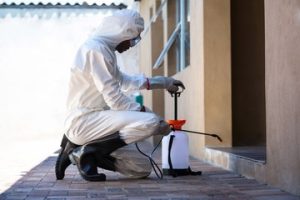
Professional pest control services are designed to identify, treat, and prevent pest infestations before they cause serious damage. While some minor pest sightings may not require immediate intervention, there are clear warning signs that indicate it’s time to call experienced professionals. Ignoring these signals can result in structural damage, contaminated food, health risks, and rapidly growing pest populations. Gain more insights by visiting https://www.benspest.biz/.
Understanding when to seek professional help can save you time, money, and frustration. Here are the top signs you need professional pest control services right away and why prompt action is the best solution.
Frequent Pest Sightings Throughout the Day
One of the biggest warning signs is seeing pests regularly, especially during daylight hours. Many pests naturally avoid people and remain hidden during the day. If you’re spotting them frequently while going about your normal routine, it’s often an indication that their population has grown beyond what their hiding spaces can accommodate.
For example, seeing insects crawling across your kitchen floor every morning or noticing rodents moving around in broad daylight suggests a much larger infestation behind walls, under floors, or inside ceilings. These visible pests represent only a small portion of the entire population.
Professional pest control specialists understand where pests hide and can locate nesting areas that aren’t visible to homeowners.
Droppings and Urine Marks Around the Property
Pest droppings are one of the clearest signs of an active infestation. Rodents, cockroaches, and many other pests leave behind waste wherever they travel, particularly near food sources, cabinets, storage areas, and hidden corners.
Besides being unpleasant, droppings can carry bacteria, allergens, and harmful pathogens that may affect indoor air quality and overall health. Urine trails left by rodents can also attract additional pests, making the infestation grow even faster.
If you continually discover fresh droppings even after cleaning, professional pest control services should be contacted immediately.
Strange Scratching or Scurrying Sounds
Many pest infestations remain hidden until homeowners begin hearing unusual noises inside walls or ceilings. These sounds often become more noticeable at night when the home is quiet.
Common noises include:
- Scratching inside walls
- Scurrying across the attic
- Gnawing sounds behind cabinets
- Light tapping from the ceilings
These sounds frequently indicate rodents or other wildlife nesting inside the structure. Since these pests often reproduce rapidly, delaying treatment can lead to significant property damage.
Experienced technicians use specialized inspection methods to identify nesting areas and remove infestations safely.
Property Damage That Continues to Grow
Some pests are capable of causing extensive structural damage before homeowners even realize they are present. Wood damage, chewed wiring, torn insulation, damaged furniture, and holes in walls may all point to an active pest problem.
Rodents continually chew to keep their teeth from overgrowing, damaging electrical wiring, plumbing materials, and wooden framing in the process. Certain insects quietly feed on wood for months or even years before visible signs appear.
Professional pest control services don’t simply eliminate visible pests—they identify the source of the damage and help prevent further destruction.
Unpleasant Odors That Won’t Go Away
Persistent foul odors inside a home often have an unexpected cause: hidden pest infestations.
Dead pests trapped inside walls, rodent urine, nesting materials, and accumulated droppings can all produce strong smells that linger despite regular cleaning.
Some insects even release oily or musty odors as their populations increase.
If unpleasant smells continue without an obvious explanation, a professional inspection can determine whether pests are the underlying cause.
Bite Marks or Skin Irritation
Unexplained bites, itchy skin, or recurring irritation may indicate pests are feeding on people or pets while they sleep.
Although skin irritation can have many causes, it should never be ignored when combined with other signs of pest activity, such as droppings, visible insects, or strange odors.
Professional pest control experts can determine whether biting pests are present and recommend the safest treatment options for the entire property.
Damage to Food Packaging
Finding holes, chew marks, or torn food containers is another clear sign of unwanted visitors.
Rodents and pantry pests often contaminate food supplies while searching for easy meals. Even unopened packages may become compromised.
Watch for signs such as:
- Torn cereal boxes
- Chewed bags of rice or flour
- Small holes in food packaging
- Unusual insect activity inside pantries
Contaminated food should always be discarded, and professional pest control should be arranged promptly to prevent further contamination.
Pest Problems Keep Returning
Many people successfully eliminate visible pests using sprays, traps, or other over-the-counter products, only to see the problem return a few weeks later.
This usually happens because DIY treatments focus on the pests you can see rather than the breeding population hidden behind walls, beneath floors, or inside crawl spaces.
Recurring infestations often require professional inspection, targeted treatment plans, and long-term prevention strategies.
Rather than repeatedly spending money on temporary solutions, professional pest control addresses the root cause of the problem.
Nesting Materials Around the Home
Many pests build nests using paper, fabric, insulation, dried leaves, or shredded materials found around the property.
Finding unusual piles of these materials inside attics, garages, storage rooms, or wall cavities often indicates an established infestation.
Nests protect growing pest populations and become breeding centers if left untreated.
Removing visible nests without eliminating the entire colony rarely solves the issue, making professional intervention the most effective option.
Grease Marks Along Walls
Rodents often travel the same paths repeatedly, leaving dark grease marks along walls, baseboards, and floors.
These stains develop because oils from their fur gradually build up on surfaces.
If you notice narrow dark streaks appearing consistently along travel routes, rodents may already be well established inside your home.
Professional pest control technicians can identify these travel patterns and place treatments where they are most effective.
Increased Allergy Symptoms Indoors
Many people don’t realize pest infestations can contribute to allergy symptoms.
Droppings, shed skin, nesting materials, saliva, and body fragments released by pests can circulate through indoor air and trigger allergic reactions in sensitive individuals.
If family members experience worsening allergies inside the home that improve elsewhere, pests may be contributing to poor indoor environmental conditions.
A professional inspection can help determine whether hidden infestations are affecting indoor air quality.
You Spot Pest Entry Points
Small cracks around doors, windows, utility lines, vents, roofing materials, and foundations can all become entry points for pests.
If you notice increasing pest activity near these openings, they’re likely being used repeatedly to enter the property.
Professional pest control doesn’t stop with removing pests. Experts also identify vulnerable access points and recommend exclusion methods that reduce the likelihood of future infestations.
Neighboring Properties Have Pest Problems
Pests rarely stay confined to one property. If nearby homes or buildings are dealing with infestations, your property may be at greater risk as pests search for new food sources and shelter.
Taking preventive action before pests become established is often less expensive than dealing with a full-scale infestation later.
Professional inspections can detect early warning signs before visible problems develop.
You Have Young Children, Elderly Family Members, or Pets
Certain household members are more vulnerable to the health risks associated with pests.
Young children often spend more time on floors where pests travel. Older adults may be more susceptible to illnesses linked to contaminated surfaces, while pets can accidentally ingest harmful pests or encounter bites.
When vulnerable family members are present, delaying professional pest control can increase unnecessary health risks.
Experienced technicians use treatment methods designed to balance effective pest management with responsible application practices.
Seasonal Changes Bring More Pest Activity
Weather changes often encourage pests to seek food, warmth, or shelter indoors. As conditions outside become less favorable, insects and rodents may enter homes through surprisingly small openings.
If you notice a sudden increase in pest activity during seasonal transitions, it may indicate that pests have already established themselves inside the property rather than simply passing through.
Professional pest control services can identify seasonal patterns, address current infestations, and recommend preventive measures that help keep pests from returning throughout the year.
Why Professional Pest Control Is Worth It
Many infestations remain hidden long before obvious signs appear. By the time homeowners notice visible pests, the colony or population has often expanded significantly.
Professional pest control offers several important advantages over temporary DIY solutions:
- Accurate identification of the pest species and the extent of the infestation.
- Targeted treatments that address both visible pests and hidden nesting or breeding areas.
- Preventive strategies to reduce the likelihood of future infestations.
- Safer, more efficient treatment methods tailored to the specific pest problem.
- Long-term monitoring and recommendations that help protect your home and investment.
Rather than relying on repeated short-term treatments, professional services provide a comprehensive approach that focuses on lasting results.
Pests rarely disappear without intervention. In many cases, they continue to multiply behind walls, beneath flooring, in attics, or in crawl spaces while homeowners remain unaware of the growing problem. By recognizing the warning signs early—such as frequent pest sightings, unusual noises, droppings, property damage, unpleasant odors, food contamination, or recurring infestations—you can take action before the situation becomes significantly worse.
Professional pest control services offer the expertise, equipment, and proven treatment methods needed to eliminate pests effectively while helping prevent future infestations. Acting quickly not only protects your property from costly damage but also promotes a healthier, safer, and more comfortable living environment for everyone in your home. When the warning signs become impossible to ignore, seeking professional assistance is one of the smartest investments you can make in the long-term protection of your property.