Raccoons are intelligent, adaptable, and surprisingly persistent creatures that often find their way into residential properties. While they may appear harmless at first glance, these nocturnal animals can cause significant damage and pose health risks if allowed to establish a presence on your property. From tearing through roofing materials to contaminating attics with droppings, raccoon activity requires careful attention and professional Raccoon Removal Texas intervention. Understanding raccoon behavior and the most effective removal strategies is essential for safeguarding your home and maintaining a safe environment for your family.
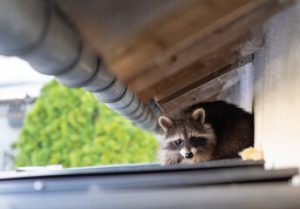
Raccoons are opportunistic omnivores, meaning they will eat a variety of foods depending on availability. This adaptability allows them to thrive in urban, suburban, and rural areas alike. While they naturally forage in forests, streams, and wetlands, raccoons are frequently drawn to human properties because of easy access to food sources, water, and shelter. Garbage bins, pet food, bird feeders, and compost piles provide a reliable supply of calories. Once attracted, raccoons often seek shelter in attics, chimneys, crawl spaces, or sheds, causing damage as they gnaw, dig, and build nests.
The first step in any raccoon removal effort is recognizing the signs of their presence. Homeowners may notice shredded insulation, damaged roofing materials, overturned garbage bins, or unusual nocturnal sounds coming from the attic or chimney. Droppings and tracks around the property are additional indicators of activity. Early detection is critical because raccoons reproduce quickly, with females often producing litters of up to five kits in a single breeding season. Left unchecked, an initial pair of raccoons can lead to a much larger infestation, increasing both the risk of property damage and potential health hazards.
Health and safety concerns make professional raccoon removal essential. Raccoons can carry a variety of diseases, including rabies, leptospirosis, and raccoon roundworm, which pose serious risks to humans and pets. Their droppings, or feces, can accumulate quickly in confined spaces such as attics, releasing airborne pathogens when disturbed. Attempting to remove raccoons without proper protective equipment and training can expose homeowners to these health hazards. Professional services employ safe handling techniques, protective gear, and appropriate containment measures to mitigate risks during removal.
A successful raccoon removal plan generally involves three primary components: exclusion, humane trapping, and property sanitation.
- Exclusion: Preventing raccoons from entering the home or returning after removal is critical. This may involve sealing gaps around vents, chimneys, roof edges, and foundation cracks. Attic vents, soffits, and crawlspace openings are common entry points that require durable barriers such as metal flashing or hardware cloth. Exclusion is not simply about plugging holes; it often requires strategic evaluation of potential entry routes based on raccoon behavior and seasonal patterns.
- Humane Trapping: Live traps are commonly used to capture raccoons safely. Proper trap placement, bait selection, and monitoring are essential to success. Professional raccoon removal services have experience in setting traps in areas where activity is highest, such as near garbage areas or along known travel routes. Once captured, raccoons are either relocated following local wildlife regulations or dealt with according to best practices, always prioritizing humane and safe handling.
- Sanitation and Cleanup: After removal, thorough cleaning and disinfection are necessary to address contamination from droppings, urine, and nesting materials. Sanitizing affected areas reduces the risk of disease transmission and removes lingering odors that might attract other wildlife. In some cases, structural repairs are required to restore damaged roofing, insulation, or siding.
Seasonal awareness plays a key role in effective raccoon removal. Raccoon activity increases during spring and summer when mothers are raising kits. During this time, removal efforts require additional care to avoid separating kits from their mothers, which can lead to orphaned animals and increased wildlife hazards. Fall is another critical period, as raccoons prepare for winter by seeking shelter in attics, sheds, or crawlspaces. Understanding these seasonal behaviors allows homeowners and professionals to implement targeted strategies that maximize removal success while minimizing stress on the animals and property.
Preventive measures are equally important to ensure raccoons do not return after removal. Property management practices such as securing trash bins, limiting outdoor pet food access, maintaining fences, and trimming trees that provide roof access can deter wildlife. Additional steps include installing chimney caps, sealing attic vents with metal mesh, and removing potential nesting materials from sheds and crawlspaces. By combining exclusion, sanitation, and property modifications, homeowners can create a long-term deterrent system.
Professional raccoon removal services also offer valuable monitoring solutions. Motion-activated cameras, wildlife tracking devices, and periodic inspections help detect renewed activity before it becomes a full-scale infestation. Early intervention reduces the need for more extensive repairs or repeated removal attempts. A proactive approach not only protects property but also enhances peace of mind for homeowners concerned about both safety and wildlife management.
Cost considerations highlight the importance of timely intervention. Allowing raccoons to remain on the property can lead to significant financial consequences. Attic insulation replacement, roof repairs, chewed electrical wiring, and contaminated HVAC systems can become expensive, particularly if infestation is left unmanaged for months. Preventive removal combined with strategic property modifications is often more cost-effective than addressing extensive damage later.
Education and awareness are essential components of a successful raccoon management plan. Homeowners should understand raccoon behavior, nesting habits, and peak activity periods to make informed decisions. Recognizing early warning signs, such as unusual sounds at night, overturned trash, or visible damage to eaves, helps prioritize professional intervention. Combining knowledge with preventive measures enhances the overall effectiveness of the removal process.
While raccoons are often viewed as a nuisance, they also play an ecological role in controlling insect populations and dispersing seeds. Humane and strategic removal focuses on relocating or excluding them safely rather than causing unnecessary harm. This approach aligns with responsible wildlife management practices and ensures ethical handling throughout the process.
In addition to direct removal, professional services often guide long-term prevention strategies. These recommendations may include adjusting landscaping practices to limit roof access, securing outdoor food sources, reinforcing barriers, and implementing seasonal inspections. Homeowners who adopt these preventive measures create a property that is less attractive to raccoons and other nuisance wildlife, reducing the likelihood of future conflicts.
Technology has also enhanced modern raccoon removal techniques. Thermal imaging, infrared cameras, and smart monitoring devices allow professionals to detect hidden activity in attics, crawlspaces, and behind walls. This technology supports precision in trap placement and exclusion efforts, improving overall removal efficiency and reducing the need for repeated interventions.
The importance of timely raccoon removal cannot be overstated. Early action not only limits property damage but also reduces the potential for disease transmission, protects pets and children, and maintains overall household safety. Delays can result in multi-animal infestations, structural compromises, and increased costs associated with clean-up and repair.
Ultimately, effective raccoon removal services combine expertise, strategic planning, and humane methods to protect both property and residents. Homeowners who address raccoon activity promptly benefit from reduced damage, minimized health risks, and improved peace of mind. A comprehensive removal plan encompasses exclusion, trapping, sanitation, and preventive measures tailored to the specific property, creating long-lasting protection against wildlife intrusions.
By investing in professional raccoon removal and implementing proactive property management practices, homeowners can enjoy a safe, secure, and wildlife-free environment. Effective removal is not only about addressing immediate infestations but also about establishing long-term defenses that preserve property value, reduce risks, and prevent recurring conflicts with these intelligent and adaptable animals. A structured, informed, and preventive approach ensures that raccoons are managed responsibly, protecting both the home and its occupants for years to come.