Breaking Ground and Clearing Clutter: A Fresh Perspective on Rubbish Removal and Demolition

Old structures crumble under time, and clutter quietly takes over forgotten corners. When the two collide, the work of rubbish removal and demolition becomes more than just tearing down walls and hauling debris. It transforms into a subtle art of renewal, carving open space where neglect once ruled. This process starts quietly, yet its impact echoes long after the dust settles.
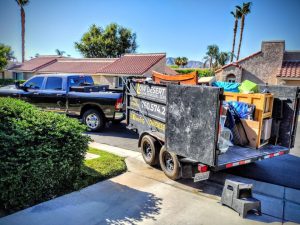
Rubbish Removal

Rubbish removal may appear simple, but it carries a hidden complexity that shapes entire environments. It is not just about clearing trash but about restoring order where chaos has grown thick. Every piece of discarded material tells a story about what was valued and what was abandoned. Removing it gives way to clarity, allowing the land or structure to breathe again.

Demolition follows with a different kind of rhythm, one that dismantles with purpose rather than destruction. It takes careful planning to dismantle beams, floors, and foundations without triggering unnecessary collapse. The goal is not reckless smashing but strategic unbuilding. This creates a clean canvas ready for future transformation.

Both processes intertwine like two halves of a single cycle—one clearing away the remnants, the other preparing the soil for rebirth. Rubbish removal sweeps the surface clean, while demolition dives deep to uproot what can no longer stand. Together, they strip the space of what weighs it down. In doing so, they reveal its potential.

Modern approaches emphasize precision in both tasks, ensuring minimal harm to surrounding areas. Heavy machinery no longer dominates as the only solution; lighter, targeted tools are now preferred. This shift allows for more controlled dismantling of specific sections. It shows that progress can emerge gently rather than forcefully.

The human side of this work is often overlooked but deeply significant. Teams must coordinate tightly to ensure safety and efficiency, building trust with every action. Each movement relies on clear communication and mutual awareness. In this high-risk environment, cooperation is as vital as the tools themselves.

Safety protocols shape every stage of the operation, especially in demolition. Structures can be unpredictable, and hidden weaknesses may trigger sudden collapse. Workers must read the building like a map, understanding where stress points lurk. These quiet calculations prevent disaster before it can begin.

Even the debris left behind carries consequences if ignored. Dust can linger in the air, and sharp fragments can hide within rubble. Thorough rubbish removal prevents these hazards from spreading beyond the site. A clean exit is as crucial as a clean start.

This field has evolved from brute-force destruction into a form of environmental stewardship. There is a growing push to recover usable materials during both processes. Wood, metal, and stone can find second lives in new builds. What was once seen as waste can now fuel renewal.

Recycling within demolition and rubbish removal reshapes their purpose. They no longer simply erase the past but preserve pieces of it for the future. Each salvaged item reduces demand for fresh resources. It proves that progress does not require starting entirely from scratch.

Technology has sharpened the precision of this work. Remote-controlled machines can reach hazardous spots without risking lives. Sensors map out structures to predict collapse patterns before they happen. These tools allow humans to orchestrate change from a safer distance.

Still, technology cannot replace the instinct of experienced hands. Skilled workers can sense subtle vibrations or shifts in pressure that no sensor can read. Their judgment anchors every decision made on-site. In this way, demolition and removal remain both science and craft.

Urban renewal often begins with clearing away what no longer serves. Yet each removal also opens an emotional space, stripping away the familiar. Communities may grieve old landmarks even as they welcome new ones. This balance between memory and progress shapes the tone of every project.

Noise control has become a growing priority within these operations. Vibrations and sound can ripple far beyond the site, disrupting daily life nearby. Teams now use dampening techniques and quieter machinery to reduce the impact. This makes demolition less intrusive to its surroundings.

Dust management has also taken center stage as awareness of air quality grows. Misting systems can trap particles before they spread through the wind. Containment barriers seal off active zones to protect nearby areas. These measures turn chaos into controlled transformation.

Timing plays a hidden yet powerful role in these efforts. Certain demolitions are scheduled during off-peak hours to limit disruption. Rubbish removal may happen at night to avoid traffic congestion. Such timing weaves the process seamlessly into the pulse of daily life.

Legal frameworks influence every decision behind the scenes. Permissions, inspections, and clearances must align before any work begins. These invisible steps protect both the public and the workers. Though unseen, they are the backbone of safe operations.

Planning stretches beyond the site itself, touching logistics like transport and disposal. Vehicles must be routed to minimize fuel use and congestion. Disposal sites must be chosen with environmental impact in mind. Each decision echoes far beyond the demolition zone.

In many cases, the goal is not to erase but to reshape. Partial demolitions preserve key sections while replacing others. This hybrid approach respects the structure’s legacy while making room for innovation. It bridges the gap between conservation and progress.

Rubbish removal often continues long after demolition ends. Fine cleaning ensures no hidden fragments remain to endanger future work. This last sweep symbolizes the closing of one chapter. Only then can the new story of the space begin.

Emotional resilience is quietly woven into this industry. Workers face the repetitive cycle of tearing down and cleaning up, then moving on. They rarely see the completed vision that rises afterward. Yet their unseen contribution lays the foundation for every renewal.

Environmental responsibility has deepened as a core value within the field. Sustainable practices now guide everything from material selection to waste routing. These steps reduce the footprint of each project. They prove that destruction can lead to creation without depletion.

As climate awareness grows, pressure mounts to reduce emissions during demolition. Electric machinery is emerging as a cleaner alternative to diesel. Compact equipment produces less noise and fewer pollutants. These innovations help align the work with broader ecological goals.

Cultural sensitivity has also become part of the process. Some structures hold historical or symbolic meaning even if they are beyond repair. Teams must handle their removal with respect, documenting remnants before they vanish. This preserves memory while allowing change.

Social responsibility ties into the way cleared spaces are reused. Open lots can become community gardens or creative hubs rather than abandoned voids. This approach links the work to social healing as well as physical renewal. It reframes demolition as a doorway rather than an ending.

The mental shift around rubbish removal and demolition is as profound as the physical one. Once seen as destructive, these processes are now understood as preparatory. They clear the way for possibilities that could not fit into the old structures. This perspective turns loss into opportunity.

Future visions for the industry blend innovation with care. Automated systems will handle more hazardous tasks while humans focus on creative strategy. Digital modeling will map out projects before a single wall comes down. Such progress promises both safety and artistry.

Yet the essence of the work will remain rooted in transformation. Clearing, dismantling, and renewing are timeless cycles of human creation. Rubbish removal and demolition may end structures, but they begin stories. They carve space for what has not yet taken shape.

The dust fades, the debris vanishes, and the air clears again. What lingers is the silent readiness of open ground. It is a pause between endings and beginnings, filled with possibility. From this stillness, the future quietly starts to rise.
Residential vs. Commercial Air Duct Cleaning: Key Differences Explained

Air duct cleaning is an essential maintenance practice for improving indoor air quality, enhancing HVAC system efficiency, and ensuring the comfort and safety of building occupants. Whether in a residential home or a commercial facility, clean air ducts reduce allergens, dust, and other contaminants, creating a healthier environment. However, the scope, techniques, and frequency of air duct cleaning can vary significantly between residential and commercial properties. Understanding these key differences helps property owners and facility managers make informed decisions about maintenance schedules, cleaning methods, and investment priorities.

Residential air duct cleaning focuses primarily on enhancing the air quality and comfort of a home. Homeowners typically schedule cleaning services to remove dust, pollen, pet dander, and other accumulated particles from their duct systems. Standard residential systems are generally smaller and less complex than commercial systems, with a limited number of vents and a single HVAC unit servicing the entire property. Air Duct Cleaning Salt Lake City in residential spaces often emphasizes thorough removal of dust and debris from ductwork, registers, and vents, along with the potential application of sanitizing treatments to prevent mold and bacterial growth.

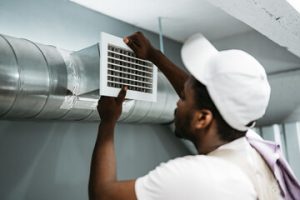
Air Duct Cleaning

Commercial air duct cleaning, on the other hand, addresses larger, more complex systems that service multi-room facilities such as office buildings, schools, healthcare centers, and retail spaces. These systems often consist of multiple air handlers, extensive duct networks, and specialized equipment designed to manage high airflow volumes. Cleaning commercial ducts requires advanced techniques, including industrial-grade vacuums, rotary brushes, and pressurized air tools capable of reaching extended duct runs and inaccessible sections of the system. The goal is not only to remove dust and debris but also to maintain efficient airflow, reduce energy costs, and comply with health and safety regulations that may apply to commercial facilities.

One of the main differences between residential and commercial air duct cleaning is the scale of the operation. Residential cleaning typically involves one HVAC system with limited ductwork, which can often be cleaned in a few hours. Commercial cleaning, however, can require multiple days, depending on the size of the building, the number of HVAC units, and the complexity of the duct system. Large office buildings or industrial facilities may have duct networks spanning several floors, requiring specialized equipment and a team of technicians to ensure thorough cleaning.

The frequency of air duct cleaning also differs between residential and commercial settings. In homes, experts often recommend cleaning every three to five years, though households with pets, smokers, or residents with respiratory conditions may benefit from more frequent services. In commercial buildings, cleaning may be required annually or biannually, especially in spaces with high occupancy, heavy foot traffic, or strict indoor air quality standards. Factors such as the presence of food service areas, laboratories, or medical facilities can further influence the frequency, as contamination risks are higher and regulatory compliance may dictate more rigorous maintenance schedules.

Air quality concerns drive both residential and commercial air duct cleaning, but the priorities vary. In homes, the focus is often on reducing allergens and improving comfort. Families with young children, elderly residents, or individuals with allergies or asthma may notice significant improvements in air quality following a professional cleaning. In commercial facilities, maintaining a clean and safe environment is not only about occupant comfort but also about compliance with occupational health regulations and minimizing liability risks. Businesses that fail to properly maintain HVAC systems may face increased employee sick days, poor productivity, or regulatory penalties.

The equipment and cleaning techniques used differ between the two property types. Residential duct cleaning typically involves portable vacuums, brushes, and compressed air devices designed to navigate smaller ducts. Commercial duct cleaning requires more robust solutions, including high-capacity industrial vacuums, access panels for extensive duct runs, and sometimes robotic cleaning tools for hard-to-reach areas. Technicians in commercial settings also need to coordinate with facility management to minimize disruption to operations, ensuring cleaning is performed safely and efficiently during off-peak hours or scheduled downtime.

Health and safety considerations are another key difference. While both residential and commercial air duct cleaning improve air quality, commercial facilities must account for higher occupant density and potential exposure to contaminants. Proper containment methods are essential to prevent debris or cleaning agents from affecting employees, students, patients, or customers. Residential services generally face fewer exposure risks but still emphasize sanitization of ducts and high-touch areas to protect family members from dust, mold, and allergens.

Cost is a distinguishing factor between residential and commercial air duct cleaning. Residential services are typically priced based on the size of the home, number of vents, and complexity of the ductwork, often ranging from a few hundred to over a thousand dollars for deep cleaning and additional treatments. Commercial services involve larger systems, multiple units, and extended labor hours, which can result in significantly higher costs. However, the investment in commercial cleaning is justified by improved HVAC efficiency, reduced energy costs, and protection of employee health, which can lead to long-term savings.

Both residential and commercial air duct cleaning share common benefits, including improved indoor air quality, enhanced HVAC efficiency, and reduction of allergens and contaminants. However, the outcomes can be more pronounced in commercial settings due to the higher volume of occupants and greater complexity of the systems. In both scenarios, clean air ducts help maintain system performance, extend the life of HVAC components, and create a healthier, more comfortable environment for occupants.

Scheduling and planning also vary between the two property types. Residential cleaning can often be arranged with minimal coordination, fitting into a homeowner’s schedule over a single day or weekend. Commercial cleaning requires careful planning to minimize operational disruptions. Cleaning may need to be performed after hours or during weekends in offices, schools, and healthcare facilities. Facility managers often develop annual maintenance plans that include duct cleaning, filter replacement, and system inspections to ensure HVAC efficiency and regulatory compliance.

Additional services offered may differ as well. Residential cleaning often includes carpet and vent cleaning, mold inspection, and optional sanitizing treatments. Commercial cleaning may involve comprehensive system maintenance, including coil cleaning, duct inspections, and system balancing, alongside traditional debris removal. Some commercial facilities require documentation of completed work to satisfy regulatory requirements or building codes, an element rarely needed for residential properties.

Environmental factors can influence both residential and commercial air duct cleaning schedules. Homes in areas with high dust, pollen, or pollution may require more frequent cleaning, while commercial buildings located in industrial zones or near busy roads may accumulate contaminants more rapidly. In commercial facilities, high occupancy and heavy use of the HVAC system increase dust and debris buildup, making consistent cleaning critical for maintaining operational efficiency and air quality.

Tenant and occupant health plays a role in determining cleaning priorities. In residential settings, families with young children, elderly individuals, or those with respiratory conditions benefit the most from clean ducts. In commercial environments, employee wellness and customer satisfaction are strong motivators for regular air duct maintenance. Clean air contributes to fewer sick days, improved productivity, and a positive perception of the facility by visitors and occupants alike.

Preventive maintenance practices complement air duct cleaning in both settings. Replacing filters regularly, sealing duct leaks, and ensuring proper insulation reduce dust and debris accumulation, prolonging the effectiveness of professional cleaning. For commercial properties, combining duct cleaning with preventive HVAC maintenance ensures optimal system performance, reduces energy costs, and minimizes the risk of equipment failure. Residential homeowners can similarly benefit from coordinated maintenance, ensuring that duct cleaning is part of a broader strategy to maintain indoor air quality and HVAC efficiency.

In conclusion, residential and commercial air duct cleaning share the common goal of improving indoor air quality, promoting health, and enhancing HVAC system efficiency. However, key differences in scale, frequency, equipment, techniques, and health considerations distinguish the two types of services. Residential cleaning is generally smaller in scale, focused on comfort and family health, and requires fewer resources. Commercial cleaning addresses larger, more complex systems, higher occupancy, and stricter compliance standards. Understanding these differences enables property owners, facility managers, and homeowners to develop appropriate cleaning schedules, select qualified professionals, and maximize the benefits of a clean and efficient HVAC system.

By considering the size of the system, the number of occupants, environmental factors, and health concerns, property owners can make informed decisions about air duct cleaning. Whether for a single-family home or a multi-story commercial facility, regular cleaning improves air quality, enhances comfort, and protects both people and equipment. Ultimately, understanding the distinctions between residential and commercial air duct cleaning ensures that each property receives the appropriate level of care, maintaining healthy, efficient, and well-functioning indoor environments for years to come.