Raccoon Removal Services: Protecting Your Home and Property from Unwanted Wildlife

Raccoons are intelligent, adaptable, and surprisingly persistent creatures that often find their way into residential properties. While they may appear harmless at first glance, these nocturnal animals can cause significant damage and pose health risks if allowed to establish a presence on your property. From tearing through roofing materials to contaminating attics with droppings, raccoon activity requires careful attention and professional Raccoon Removal Texas intervention. Understanding raccoon behavior and the most effective removal strategies is essential for safeguarding your home and maintaining a safe environment for your family.

raccoon removal

Raccoons are opportunistic omnivores, meaning they will eat a variety of foods depending on availability. This adaptability allows them to thrive in urban, suburban, and rural areas alike. While they naturally forage in forests, streams, and wetlands, raccoons are frequently drawn to human properties because of easy access to food sources, water, and shelter. Garbage bins, pet food, bird feeders, and compost piles provide a reliable supply of calories. Once attracted, raccoons often seek shelter in attics, chimneys, crawl spaces, or sheds, causing damage as they gnaw, dig, and build nests.

The first step in any raccoon removal effort is recognizing the signs of their presence. Homeowners may notice shredded insulation, damaged roofing materials, overturned garbage bins, or unusual nocturnal sounds coming from the attic or chimney. Droppings and tracks around the property are additional indicators of activity. Early detection is critical because raccoons reproduce quickly, with females often producing litters of up to five kits in a single breeding season. Left unchecked, an initial pair of raccoons can lead to a much larger infestation, increasing both the risk of property damage and potential health hazards.

Health and safety concerns make professional raccoon removal essential. Raccoons can carry a variety of diseases, including rabies, leptospirosis, and raccoon roundworm, which pose serious risks to humans and pets. Their droppings, or feces, can accumulate quickly in confined spaces such as attics, releasing airborne pathogens when disturbed. Attempting to remove raccoons without proper protective equipment and training can expose homeowners to these health hazards. Professional services employ safe handling techniques, protective gear, and appropriate containment measures to mitigate risks during removal.

A successful raccoon removal plan generally involves three primary components: exclusion, humane trapping, and property sanitation.

  1. Exclusion: Preventing raccoons from entering the home or returning after removal is critical. This may involve sealing gaps around vents, chimneys, roof edges, and foundation cracks. Attic vents, soffits, and crawlspace openings are common entry points that require durable barriers such as metal flashing or hardware cloth. Exclusion is not simply about plugging holes; it often requires strategic evaluation of potential entry routes based on raccoon behavior and seasonal patterns.
  2. Humane Trapping: Live traps are commonly used to capture raccoons safely. Proper trap placement, bait selection, and monitoring are essential to success. Professional raccoon removal services have experience in setting traps in areas where activity is highest, such as near garbage areas or along known travel routes. Once captured, raccoons are either relocated following local wildlife regulations or dealt with according to best practices, always prioritizing humane and safe handling.
  3. Sanitation and Cleanup: After removal, thorough cleaning and disinfection are necessary to address contamination from droppings, urine, and nesting materials. Sanitizing affected areas reduces the risk of disease transmission and removes lingering odors that might attract other wildlife. In some cases, structural repairs are required to restore damaged roofing, insulation, or siding.

Seasonal awareness plays a key role in effective raccoon removal. Raccoon activity increases during spring and summer when mothers are raising kits. During this time, removal efforts require additional care to avoid separating kits from their mothers, which can lead to orphaned animals and increased wildlife hazards. Fall is another critical period, as raccoons prepare for winter by seeking shelter in attics, sheds, or crawlspaces. Understanding these seasonal behaviors allows homeowners and professionals to implement targeted strategies that maximize removal success while minimizing stress on the animals and property.

Preventive measures are equally important to ensure raccoons do not return after removal. Property management practices such as securing trash bins, limiting outdoor pet food access, maintaining fences, and trimming trees that provide roof access can deter wildlife. Additional steps include installing chimney caps, sealing attic vents with metal mesh, and removing potential nesting materials from sheds and crawlspaces. By combining exclusion, sanitation, and property modifications, homeowners can create a long-term deterrent system.

Professional raccoon removal services also offer valuable monitoring solutions. Motion-activated cameras, wildlife tracking devices, and periodic inspections help detect renewed activity before it becomes a full-scale infestation. Early intervention reduces the need for more extensive repairs or repeated removal attempts. A proactive approach not only protects property but also enhances peace of mind for homeowners concerned about both safety and wildlife management.

Cost considerations highlight the importance of timely intervention. Allowing raccoons to remain on the property can lead to significant financial consequences. Attic insulation replacement, roof repairs, chewed electrical wiring, and contaminated HVAC systems can become expensive, particularly if infestation is left unmanaged for months. Preventive removal combined with strategic property modifications is often more cost-effective than addressing extensive damage later.

Education and awareness are essential components of a successful raccoon management plan. Homeowners should understand raccoon behavior, nesting habits, and peak activity periods to make informed decisions. Recognizing early warning signs, such as unusual sounds at night, overturned trash, or visible damage to eaves, helps prioritize professional intervention. Combining knowledge with preventive measures enhances the overall effectiveness of the removal process.

While raccoons are often viewed as a nuisance, they also play an ecological role in controlling insect populations and dispersing seeds. Humane and strategic removal focuses on relocating or excluding them safely rather than causing unnecessary harm. This approach aligns with responsible wildlife management practices and ensures ethical handling throughout the process.

In addition to direct removal, professional services often guide long-term prevention strategies. These recommendations may include adjusting landscaping practices to limit roof access, securing outdoor food sources, reinforcing barriers, and implementing seasonal inspections. Homeowners who adopt these preventive measures create a property that is less attractive to raccoons and other nuisance wildlife, reducing the likelihood of future conflicts.

Technology has also enhanced modern raccoon removal techniques. Thermal imaging, infrared cameras, and smart monitoring devices allow professionals to detect hidden activity in attics, crawlspaces, and behind walls. This technology supports precision in trap placement and exclusion efforts, improving overall removal efficiency and reducing the need for repeated interventions.

The importance of timely raccoon removal cannot be overstated. Early action not only limits property damage but also reduces the potential for disease transmission, protects pets and children, and maintains overall household safety. Delays can result in multi-animal infestations, structural compromises, and increased costs associated with clean-up and repair.

Ultimately, effective raccoon removal services combine expertise, strategic planning, and humane methods to protect both property and residents. Homeowners who address raccoon activity promptly benefit from reduced damage, minimized health risks, and improved peace of mind. A comprehensive removal plan encompasses exclusion, trapping, sanitation, and preventive measures tailored to the specific property, creating long-lasting protection against wildlife intrusions.

By investing in professional raccoon removal and implementing proactive property management practices, homeowners can enjoy a safe, secure, and wildlife-free environment. Effective removal is not only about addressing immediate infestations but also about establishing long-term defenses that preserve property value, reduce risks, and prevent recurring conflicts with these intelligent and adaptable animals. A structured, informed, and preventive approach ensures that raccoons are managed responsibly, protecting both the home and its occupants for years to come.
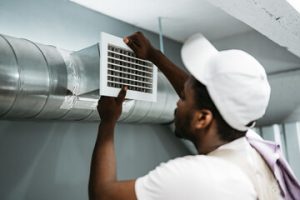

Residential vs. Commercial Air Duct Cleaning: Key Differences Explained

Air duct cleaning is an essential maintenance practice for improving indoor air quality, enhancing HVAC system efficiency, and ensuring the comfort and safety of building occupants. Whether in a residential home or a commercial facility, clean air ducts reduce allergens, dust, and other contaminants, creating a healthier environment. However, the scope, techniques, and frequency of air duct cleaning can vary significantly between residential and commercial properties. Understanding these key differences helps property owners and facility managers make informed decisions about maintenance schedules, cleaning methods, and investment priorities.

Residential air duct cleaning focuses primarily on enhancing the air quality and comfort of a home. Homeowners typically schedule cleaning services to remove dust, pollen, pet dander, and other accumulated particles from their duct systems. Standard residential systems are generally smaller and less complex than commercial systems, with a limited number of vents and a single HVAC unit servicing the entire property. Air Duct Cleaning Salt Lake City in residential spaces often emphasizes thorough removal of dust and debris from ductwork, registers, and vents, along with the potential application of sanitizing treatments to prevent mold and bacterial growth.

Air Duct Cleaning

Commercial air duct cleaning, on the other hand, addresses larger, more complex systems that service multi-room facilities such as office buildings, schools, healthcare centers, and retail spaces. These systems often consist of multiple air handlers, extensive duct networks, and specialized equipment designed to manage high airflow volumes. Cleaning commercial ducts requires advanced techniques, including industrial-grade vacuums, rotary brushes, and pressurized air tools capable of reaching extended duct runs and inaccessible sections of the system. The goal is not only to remove dust and debris but also to maintain efficient airflow, reduce energy costs, and comply with health and safety regulations that may apply to commercial facilities.

One of the main differences between residential and commercial air duct cleaning is the scale of the operation. Residential cleaning typically involves one HVAC system with limited ductwork, which can often be cleaned in a few hours. Commercial cleaning, however, can require multiple days, depending on the size of the building, the number of HVAC units, and the complexity of the duct system. Large office buildings or industrial facilities may have duct networks spanning several floors, requiring specialized equipment and a team of technicians to ensure thorough cleaning.

The frequency of air duct cleaning also differs between residential and commercial settings. In homes, experts often recommend cleaning every three to five years, though households with pets, smokers, or residents with respiratory conditions may benefit from more frequent services. In commercial buildings, cleaning may be required annually or biannually, especially in spaces with high occupancy, heavy foot traffic, or strict indoor air quality standards. Factors such as the presence of food service areas, laboratories, or medical facilities can further influence the frequency, as contamination risks are higher and regulatory compliance may dictate more rigorous maintenance schedules.

Air quality concerns drive both residential and commercial air duct cleaning, but the priorities vary. In homes, the focus is often on reducing allergens and improving comfort. Families with young children, elderly residents, or individuals with allergies or asthma may notice significant improvements in air quality following a professional cleaning. In commercial facilities, maintaining a clean and safe environment is not only about occupant comfort but also about compliance with occupational health regulations and minimizing liability risks. Businesses that fail to properly maintain HVAC systems may face increased employee sick days, poor productivity, or regulatory penalties.

The equipment and cleaning techniques used differ between the two property types. Residential duct cleaning typically involves portable vacuums, brushes, and compressed air devices designed to navigate smaller ducts. Commercial duct cleaning requires more robust solutions, including high-capacity industrial vacuums, access panels for extensive duct runs, and sometimes robotic cleaning tools for hard-to-reach areas. Technicians in commercial settings also need to coordinate with facility management to minimize disruption to operations, ensuring cleaning is performed safely and efficiently during off-peak hours or scheduled downtime.

Health and safety considerations are another key difference. While both residential and commercial air duct cleaning improve air quality, commercial facilities must account for higher occupant density and potential exposure to contaminants. Proper containment methods are essential to prevent debris or cleaning agents from affecting employees, students, patients, or customers. Residential services generally face fewer exposure risks but still emphasize sanitization of ducts and high-touch areas to protect family members from dust, mold, and allergens.

Cost is a distinguishing factor between residential and commercial air duct cleaning. Residential services are typically priced based on the size of the home, number of vents, and complexity of the ductwork, often ranging from a few hundred to over a thousand dollars for deep cleaning and additional treatments. Commercial services involve larger systems, multiple units, and extended labor hours, which can result in significantly higher costs. However, the investment in commercial cleaning is justified by improved HVAC efficiency, reduced energy costs, and protection of employee health, which can lead to long-term savings.

Both residential and commercial air duct cleaning share common benefits, including improved indoor air quality, enhanced HVAC efficiency, and reduction of allergens and contaminants. However, the outcomes can be more pronounced in commercial settings due to the higher volume of occupants and greater complexity of the systems. In both scenarios, clean air ducts help maintain system performance, extend the life of HVAC components, and create a healthier, more comfortable environment for occupants.

Scheduling and planning also vary between the two property types. Residential cleaning can often be arranged with minimal coordination, fitting into a homeowner’s schedule over a single day or weekend. Commercial cleaning requires careful planning to minimize operational disruptions. Cleaning may need to be performed after hours or during weekends in offices, schools, and healthcare facilities. Facility managers often develop annual maintenance plans that include duct cleaning, filter replacement, and system inspections to ensure HVAC efficiency and regulatory compliance.

Additional services offered may differ as well. Residential cleaning often includes carpet and vent cleaning, mold inspection, and optional sanitizing treatments. Commercial cleaning may involve comprehensive system maintenance, including coil cleaning, duct inspections, and system balancing, alongside traditional debris removal. Some commercial facilities require documentation of completed work to satisfy regulatory requirements or building codes, an element rarely needed for residential properties.

Environmental factors can influence both residential and commercial air duct cleaning schedules. Homes in areas with high dust, pollen, or pollution may require more frequent cleaning, while commercial buildings located in industrial zones or near busy roads may accumulate contaminants more rapidly. In commercial facilities, high occupancy and heavy use of the HVAC system increase dust and debris buildup, making consistent cleaning critical for maintaining operational efficiency and air quality.

Tenant and occupant health plays a role in determining cleaning priorities. In residential settings, families with young children, elderly individuals, or those with respiratory conditions benefit the most from clean ducts. In commercial environments, employee wellness and customer satisfaction are strong motivators for regular air duct maintenance. Clean air contributes to fewer sick days, improved productivity, and a positive perception of the facility by visitors and occupants alike.

Preventive maintenance practices complement air duct cleaning in both settings. Replacing filters regularly, sealing duct leaks, and ensuring proper insulation reduce dust and debris accumulation, prolonging the effectiveness of professional cleaning. For commercial properties, combining duct cleaning with preventive HVAC maintenance ensures optimal system performance, reduces energy costs, and minimizes the risk of equipment failure. Residential homeowners can similarly benefit from coordinated maintenance, ensuring that duct cleaning is part of a broader strategy to maintain indoor air quality and HVAC efficiency.

In conclusion, residential and commercial air duct cleaning share the common goal of improving indoor air quality, promoting health, and enhancing HVAC system efficiency. However, key differences in scale, frequency, equipment, techniques, and health considerations distinguish the two types of services. Residential cleaning is generally smaller in scale, focused on comfort and family health, and requires fewer resources. Commercial cleaning addresses larger, more complex systems, higher occupancy, and stricter compliance standards. Understanding these differences enables property owners, facility managers, and homeowners to develop appropriate cleaning schedules, select qualified professionals, and maximize the benefits of a clean and efficient HVAC system.

By considering the size of the system, the number of occupants, environmental factors, and health concerns, property owners can make informed decisions about air duct cleaning. Whether for a single-family home or a multi-story commercial facility, regular cleaning improves air quality, enhances comfort, and protects both people and equipment. Ultimately, understanding the distinctions between residential and commercial air duct cleaning ensures that each property receives the appropriate level of care, maintaining healthy, efficient, and well-functioning indoor environments for years to come.

Cost Guide: What to Expect When Installing Decorative Concrete

Cost of Materials

https://decorativeconcretesolutions.biz/

Installing decorative concrete is an investment that enhances the functionality and visual appeal of outdoor spaces. However, it is also a project that requires careful planning and skilled workmanship to ensure that the finished product meets expectations and stands up well over time.

The cost of materials accounts for a large portion of the overall price of a stamped concrete project. The type of concrete used, its color, and any decorative finishes affect the final cost. The size of the project is another factor; larger patios and driveways are more expensive because they require more materials than smaller projects. Visit https://decorativeconcretesolutions.biz/ for more information.

Other costs that impact material expenses include demolition, site preparation, and cleanup. Preparation includes assessing the current condition of the area and removing any existing surface materials. Installation involves setting up formwork, mixing and pouring concrete, and applying the stamps and finish. Finally, cleanup ensures that the work area is left in good condition.

Adding upgrades like borders, embedded designs, stairs, and other enhancements increases the cost of the project. Additionally, thicker concrete slabs typically require more material and labor to set than thinner slabs. Replicating natural stone patterns is also more expensive, as multiple colors and textures are required to achieve the desired look.

Cost of Labor

The cost of labor to install decorative concrete can vary widely, depending on the location and local market. This includes factors like job site accessibility, labor rates, and the availability of materials. In addition, if the project requires a permit, the cost of that may also be added to the final price.

Decorative concrete overlays require skilled craftsmanship to ensure an attractive and durable end-product. This increases labor costs, and experienced professionals should be able to give you an accurate quote before starting the work. If you’re working with a general contractor, make sure they include all fees and labor in their quotes. Using a reliable tool like Invoice Fly can help you stay on top of estimates, invoices, and time-tracking.

In addition to the actual installation, preparing the work area and cleanup are other labor-intensive components that should be included in your total cost estimate. This may include things like clearing and leveling the area, and it may also include removing and disposing of existing concrete surfaces. The size and complexity of your project can also increase the cost of labor, as well as any equipment or supplies you might need to purchase or rent.

You should also consider the thickness of your concrete slab when estimating the cost of your project. The thicker your concrete, the more durable and long-lasting it will be, but it will also increase the amount of material needed and the cost of labor to install it.

If you’re looking to save money, opt for a basic broom finish instead of a textured or stamped surface. This will still look stylish and provide a functional surface for your driveway, patio, or walkway. In addition, using a DIY kit can be an effective way to avoid paying expensive professional installation fees.

Finally, the time of year can also impact the cost of your concrete project. For example, pouring in the winter might be more expensive than during warmer weather, as it can require extra steps to ensure that the concrete sets correctly. In addition, some areas might not be suitable for pouring in the winter, such as if it’s too cold or has poor drainage.

Cost of Permits and Inspections

Concrete installation is a multi-step process that requires careful planning and execution to ensure the final result is strong, smooth, and built to last. It involves site preparation, mixing, pouring, curing, and finishing touches. Each phase has its own unique requirements and costs. Getting the details right can make or break your budget.

Permitting and inspection costs vary based on location, project size, and complexity. This tool estimates NYC Department of Buildings (DOB) filing costs to help you accurately budget for renovation and construction work.

Labor costs vary by region, with NYC contractors charging $80-$130/hour and upstate rates $50-$90/hour, including union requirements. Material prices also fluctuate, with NYC congestion driving up delivery costs by 5-10% and upstate lead times adding 2-4 weeks to supply chain delays.

Testing and contingency costs are based on the project’s scope and may include soil tests ($5,000-$20,000) and compliance studies ($200-$500). Eco-friendly materials like recycled aggregates and low-carbon concrete add 5- 10% to costs but reduce environmental impact. Detailed material takeoffs, supplier connections, and green-certified contractor resources align with your cost optimization goals.

Cost of Decorative Finishes

Decorative concrete is an effective way to revamp outdoor and indoor spaces, but it can add up quickly. Choosing the right materials and ensuring that your contractor has the proper experience is essential to saving money on this project. A qualified professional will also be able to recommend and implement cost-effective techniques that improve the durability of your finished product.

There are many different finishing options available for your decorative concrete overlay, including staining, stamping and troweling. Each of these techniques offers a unique look that can match your aesthetic preferences. For instance, stamped concrete can mimic the appearance of brick, stone and wood. While a stain can create a wide variety of colors and effects, from subtle marbling to a dramatic distressed finish.

The final finishing touches are what really make your project stand out. For example, an exposed aggregate technique highlights natural stones within the concrete for a unique texture and visual appeal. Or, you can have your overlay buffed and polished for a shiny surface that reflects light beautifully. Lastly, you should consider the upkeep requirements of your overlay and select a protective sealer that will help to preserve its color and integrity.

If you have any questions about the cost of decorative concrete or want to learn more about how it can enhance your home, contact us today! Our team is here to answer any of your questions and ensure you have a successful installation.

Whether you are looking for a modern way to refresh your patio or want to increase the resale value of your driveway, decorative concrete is an affordable option that will give you the look you desire. The best part is that it holds up well over time, so you won’t have to worry about maintaining it as much as other materials like pavers.

It is important to mindfully schedule your installation around other home improvement projects. Plumbers, carpenters and construction workers are notorious for spilling liquids, hot solder or adhesives on concrete surfaces, which can cause unsightly damage to your new decorative concrete. You can avoid these issues by scheduling your overlay installation at a time when you can be sure that no other work will be done on the same day.